“stone roasting” search results (500)
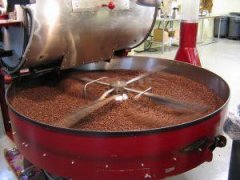
Explanation of professional terms for boutique coffee roaster
Rear burner A device that reburns the smoke generated by a coffee roaster with a high heat energy burner to eliminate smoke. At the same time, it can reduce the smell. Net basket A stainless steel basket used by the silver skin of the Fujiga machine dust collector. Can undertake a larger amount of silver than the standard. A transformer converts electric power into a device with variable voltage and variable ripple number, with controllability, stability and knots.
2015-04-11 Boutique coffee roaster professional noun explanation
Basic knowledge of boutique coffee introduces several kinds of coffee defective beans
Moldy beans: because of incomplete drying, or damp in the process of transportation and storage, cyan and white molds grow, which sometimes make the beans stick together. If these moldy beans are not removed, they will produce moldy smell. Dead beans: beans with abnormal results. The color is not easy to change because of baking, so it is easy to distinguish. The flavor is thin, as harmful as silver skin, and will become a peculiar smell.
2014-12-16 Boutique coffee basics common sense introduction several defects mildew because dry
Fine Coffee Technology on Coffee Grinding
The operation of crushing roasted coffee beans is called grinding. The props used to grind coffee beans are called grinders. The ideal time to grind coffee is to grind it before cooking. Because ground coffee is easy to oxidize and lose its flavor, especially without proper storage, coffee powder is also easy to change flavor, so it is naturally impossible to cook mellow coffee. Some people are afraid of trouble or don't want to buy more mill.
2014-10-18 Coffee knowledge boutique coffee science coffee grinding coffee technology
The taste of civet coffee is very mellow. Introduction to the characteristics of fine coffee in the manor area.
The cat has a special ability of orientation, which is guided by the incense secreted by the cystic incense glands. When it is active, all the prominent objects along the way, such as tree trunks, stakes and stone edges in the habitat, will often be foamed with the secretion of incense glands, commonly known as wiping piles, which acts as a marker in the field. it also plays a liaison role for other similar species. When it gets food or encounters
2016-08-26 Taste special mellow musk coffee flavor taste manor producing area characteristics
There are chocolate color, grain type, complete Yemeni coffee flavor, characteristics, taste and manor
Yemeni coffee originated from Arabian coffee trees hundreds of years ago, all produced in areas above 3000 feet above sea level. For hundreds of years, the unique planting and production methods of Yemeni coffee have remained almost unchanged. The seedlings of Yemeni coffee trees are first cultivated in nurseries and then transplanted to high elevations. Pesticides and fertilizers are not used in the breeding process. Mature coffee beans are naturally dried on coffee trees and shelled by stone grinding.
2016-08-31 Chocolate Color Grain intact Yemen Coffee Flavor speciality Taste Manor
Explanation of professional terms related to coffee roaster
Rear burner A device that reburns the smoke generated by a coffee roaster with a high heat energy burner to eliminate smoke. At the same time, it can reduce the smell. Net basket A stainless steel basket used by the silver skin of the Fujiga machine dust collector. Can undertake a larger amount of silver than the standard. A transformer converts electric power into a device with variable voltage and variable ripple number, with controllability, stability and knots.
2015-01-27 Coffee roaster related professional noun interpretation burner to high thermal energy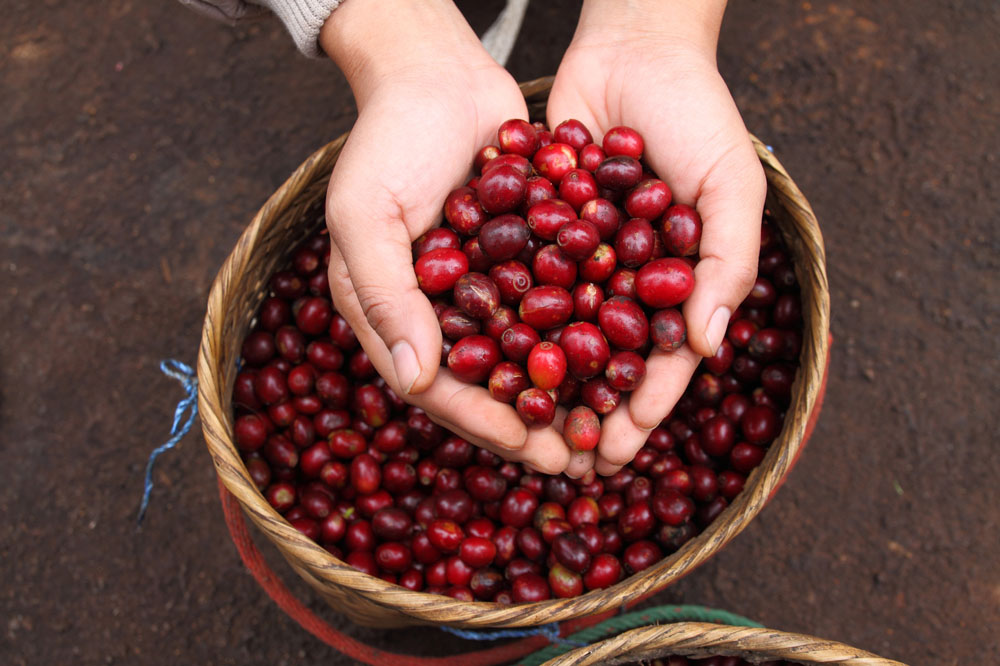
Chocolate color, grain type, complete Yemeni coffee flavor, character, taste and manor
Yemeni coffee is derived from hundreds of years old arabica coffee trees, all grown at altitudes above 3000 feet. For hundreds of years, the cultivation and production methods specific to Yemeni coffee have remained almost unchanged. Coffee seedlings are first cultivated in nurseries and then transplanted to high altitudes. No pesticides or fertilizers are used in the cultivation process. After maturity, coffee beans are naturally dried on coffee trees and shelled by stone mills.
2016-08-31 Chocolate Color Grain Type Whole Yemen Coffee Flavor Characteristics Taste Manor
Flavor Unique Grain Type Complete Yemeni Coffee Flavor, Character, Taste and Manor
Yemeni coffee is derived from hundreds of years old arabica coffee trees, all grown at altitudes above 3000 feet. For hundreds of years, the cultivation and production methods specific to Yemeni coffee have remained almost unchanged. Coffee seedlings are first cultivated in nurseries and then transplanted to high altitudes. No pesticides or fertilizers are used in the cultivation process. After maturity, coffee beans are naturally dried on coffee trees and shelled by stone mills.
2016-09-01 Flavor Unique Grain Type Complete Yemen Coffee Characteristics Taste Manor
Do Jamaican boutique Blue Mountain Coffee beans introduce authentic Blue Mountain Coffee from St. Thomas?
Jamaica means the island of springs in the language of the Indian Arawak, where the Indian Arawak reached the pinnacle of their stone civilization. Under the influence of smallpox and massacres brought by the Spanish colonists, the Arawak people gradually died out, leaving less than 30%.
2022-07-24 Premium Jamaica Blue Mountain coffee boutique introduction Thomas producing area Caribbean
Yemeni Moha Coffee the latest introduction of Yemeni coffee Yemeni coffee has a unique flavor
Yemeni coffee originated from Arabian coffee trees hundreds of years ago, all of which are produced in areas above 3000 feet above sea level. For hundreds of years, the unique planting and production methods of Yemeni coffee have remained almost unchanged. The seedlings of Yemeni coffee trees are first cultivated in nurseries and then transplanted to high elevations. Pesticides and fertilizers are not used in the breeding process. Mature coffee beans are naturally dried on coffee trees and shelled by stone mill.
2015-11-29 Yemen Moha Coffee latest introduction Flavor unique from
Basic knowledge of boutique coffee beans introduction to several kinds of coffee defective beans
Moldy beans: because of incomplete drying, or damp in the process of transportation and storage, cyan and white molds grow, which sometimes make the beans stick together. If these moldy beans are not removed, they will produce moldy smell. Dead beans: beans with abnormal results. The color is not easy to change because of baking, so it is easy to distinguish. The flavor is thin, as harmful as silver skin, and will become a peculiar smell.
2015-03-24 Boutique coffee beans basics common sense introduction several coffee defects mildew because
With chocolate color, complete grain shape, Yemeni coffee flavor, characteristics, taste and manor
Yemeni coffee originated from Arabian coffee trees hundreds of years ago, all of which are produced in areas above 3000 feet above sea level. For hundreds of years, the unique planting and production methods of Yemeni coffee have remained almost unchanged. The seedlings of Yemeni coffee trees are first cultivated in nurseries and then transplanted to high elevations. Pesticides and fertilizers are not used in the breeding process. Mature coffee beans are naturally dried on coffee trees and shelled by stone mill.
2016-08-31 Chocolate Color Grain intact Yemen Coffee Flavor speciality Taste Manor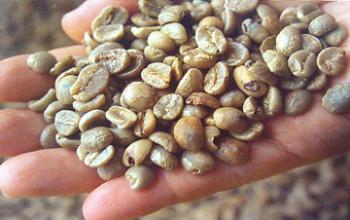
Detailed introduction of coffee beans: introduction of the classification characteristics and shapes of several kinds of defective beans
Coffee training several kinds of defective beans introduce moldy beans: because of incomplete drying, or damp during transportation and storage, cyan and white molds grow, which sometimes make the beans stick together. If these moldy beans are not removed, they will produce a moldy smell. Dead beans: beans with abnormal results. The color is not easy to change because of baking, so it is easy to distinguish. The flavor is thin, with silver skin
2015-12-23 Coffee beans details introduction several defects classification features shapes differences
Coffee Bean Processing
Natural drying method Coffee refining process Coffee cherries (coffee cherries) Selection and treatment of green beans Harvesting sun field (sun exposure) Shelling machine (removal of pulp, etc.) Electronic bean sorter or wind bean sorter (hand)
2014-07-04 Coffee knowledge Coffee bean processing Coffee encyclopedia
Unique Grain shape complete Yemeni Coffee Variety characteristics introduction to Flavor Coffee beans in Manor
Yemeni coffee originated from Arabian coffee trees hundreds of years ago, all produced in areas above 3000 feet above sea level. For hundreds of years, the unique planting and production methods of Yemeni coffee have remained almost unchanged. The seedlings of Yemeni coffee trees are first cultivated in nurseries and then transplanted to high elevations. Pesticides and fertilizers are not used in the breeding process. Mature coffee beans are naturally dried on coffee trees and shelled by stone grinding.
2016-09-01 Flavor unique grain shape complete Yemen coffee variety characteristics taste manor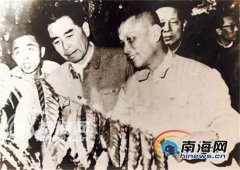
Xinglong Coffee and Premier Zhou's Connection
In 1960, Premier Zhou left two to Xinglong coffee garden inspection data picture in Wanning City Xinglong farm next to the ancient village company, there is a stone tablet, telling the amiable Premier Zhou Enlai and rich flavor Xinglong coffee bond. Originally, coffee would not intersect with Xinglong. But in 1952, the first batch of returnees opened up in Xinglong, historically from Indonesia, Malaysia, Singapore
2015-08-07 Xinglong Coffee Premier Zhou Premier Affinity 1960 Premier Xing
Answers to the Teaching problems of hand-made Coffee (1)
Many friends saw that I posted photos of the cadets' hand-made coffee in the moments, some of which were different from theirs in operation, and sent messages asking why they were different from theirs. Today, I would like to sum up the problems and explain them one by one. I do not object to other people's methods, because in my understanding, techniques are not important, but taste and hands are the most important.
2015-06-27 Hand brewing coffee teaching question answering.
Yemeni Coffee with complete Grain shape and unique Flavor introduction to Fine Coffee beans in Manor
Yemeni coffee originated from Arabian coffee trees hundreds of years ago, all produced in areas above 3000 feet above sea level. For hundreds of years, the unique planting and production methods of Yemeni coffee have remained almost unchanged. The seedlings of Yemeni coffee trees are first cultivated in nurseries and then transplanted to high elevations. Pesticides and fertilizers are not used in the breeding process. Mature coffee beans are naturally dried on coffee trees and shelled by stone grinding.
2016-09-02 Grain size integrity flavor unique Yemen coffee taste variety characteristics manor
Kinds of defective beans
One of the most important factors affecting the quality of coffee is defective beans. The number of defective beans also affects the grade of coffee. For example, the coffee evaluation method used in Brazil is the "deduction method", which is graded according to the number of defective beans in 300 grams of staple beans per gram.
2014-07-15 Coffee knowledge defective beans types of coffee beans
Yemeni Coffee varieties with complete Grain shape and unique Flavor introduction to Fine Coffee beans in Manor
Yemeni coffee originated from Arabian coffee trees hundreds of years ago, all produced in areas above 3000 feet above sea level. For hundreds of years, the unique planting and production methods of Yemeni coffee have remained almost unchanged. The seedlings of Yemeni coffee trees are first cultivated in nurseries and then transplanted to high elevations. Pesticides and fertilizers are not used in the breeding process. Mature coffee beans are naturally dried on coffee trees and shelled by stone grinding.
2016-09-02 Grain shape integrity flavor unique Yemen coffee variety characteristics taste manor